


Confidence Code

Every child learns to stand, speak and be heard.

Confidence is trained

Confidence is not volume.

The goal is not to create the loudest child in the room. Confidence is the ability to participate when participation matters, and remain composed when attention turns towards you. These abilities grow through use.

01 / 05

Speak.

Find your voice.

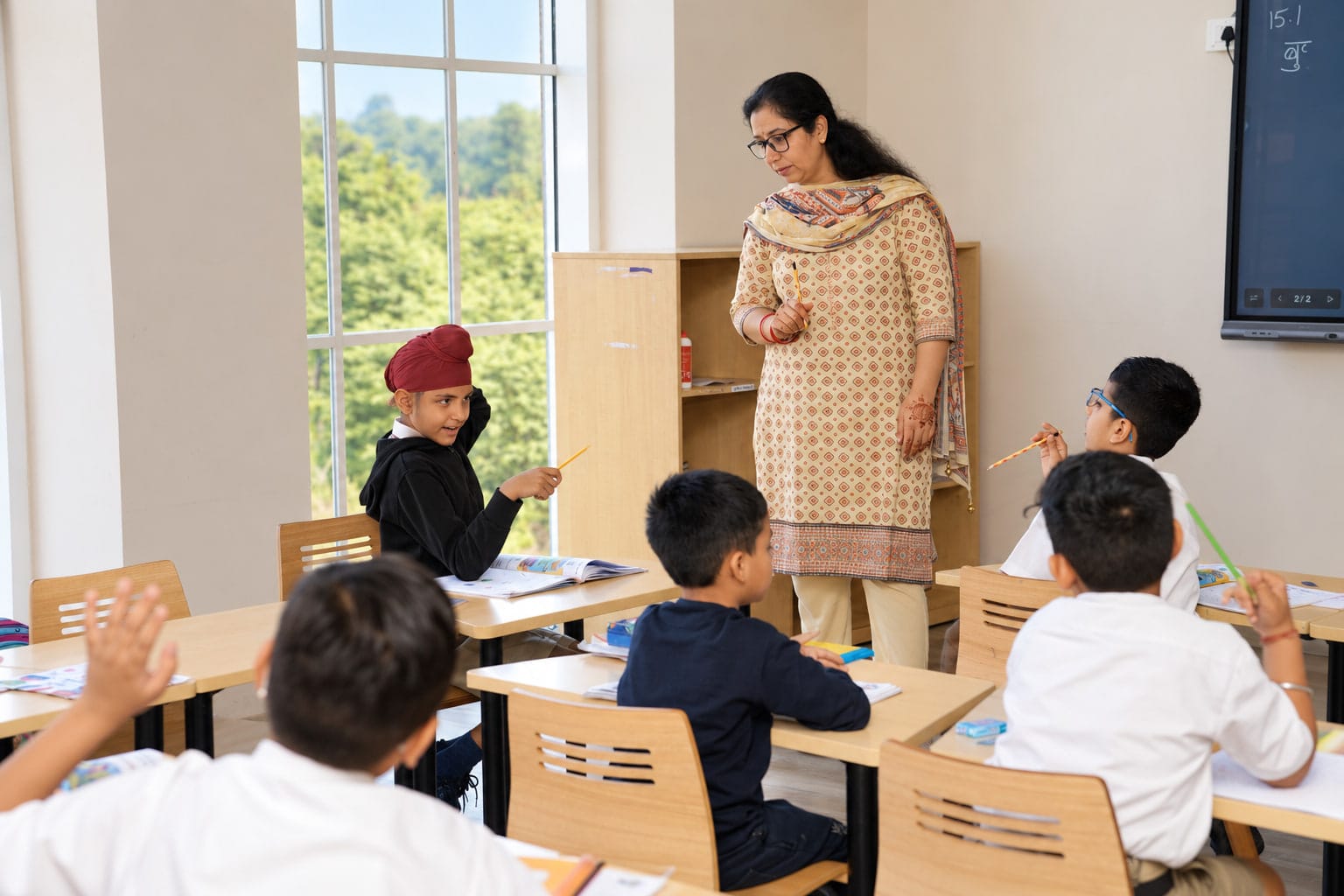
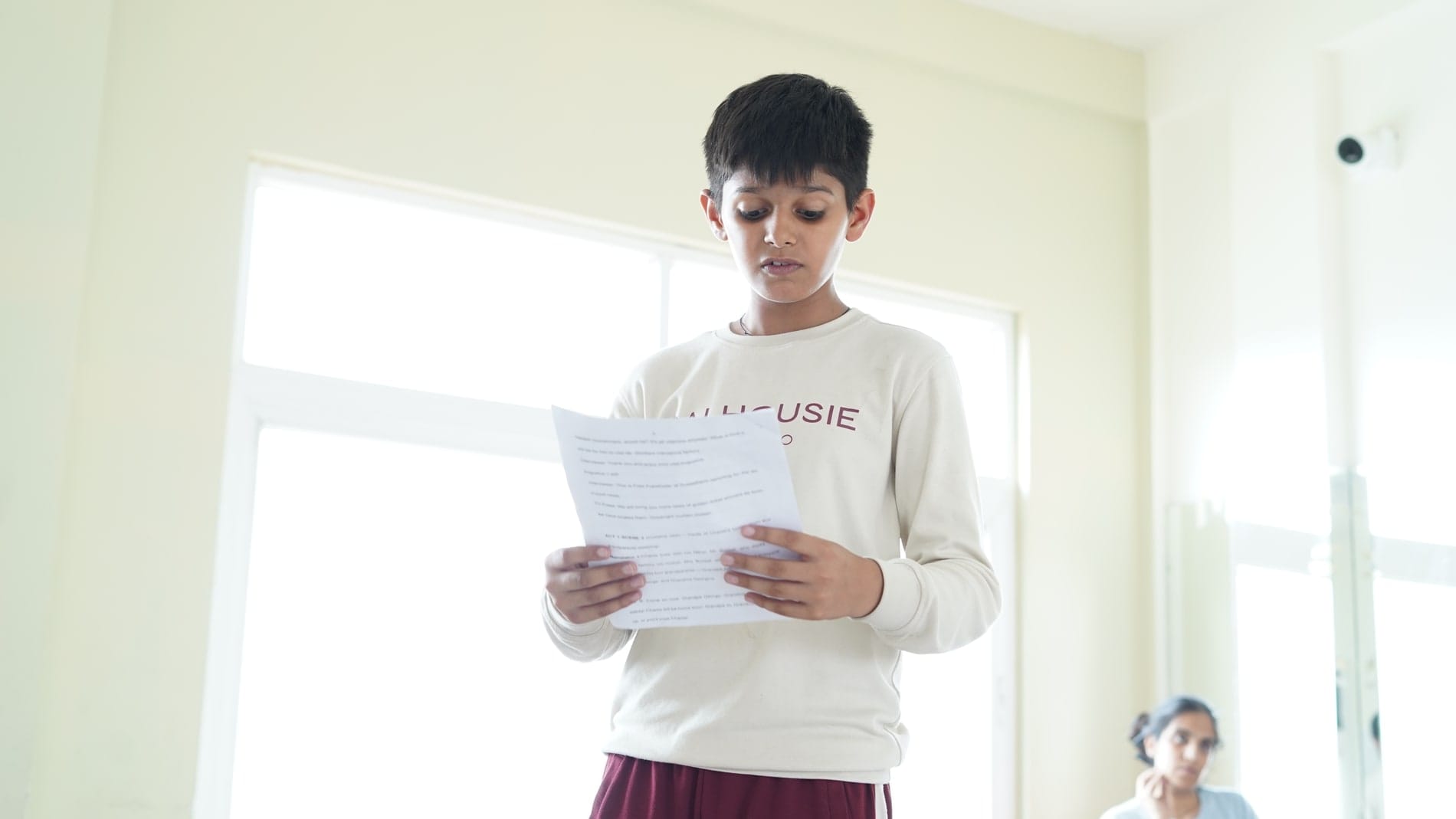
Children receive repeated opportunities to articulate ideas in classrooms, assemblies, discussions and presentations.

02 / 05

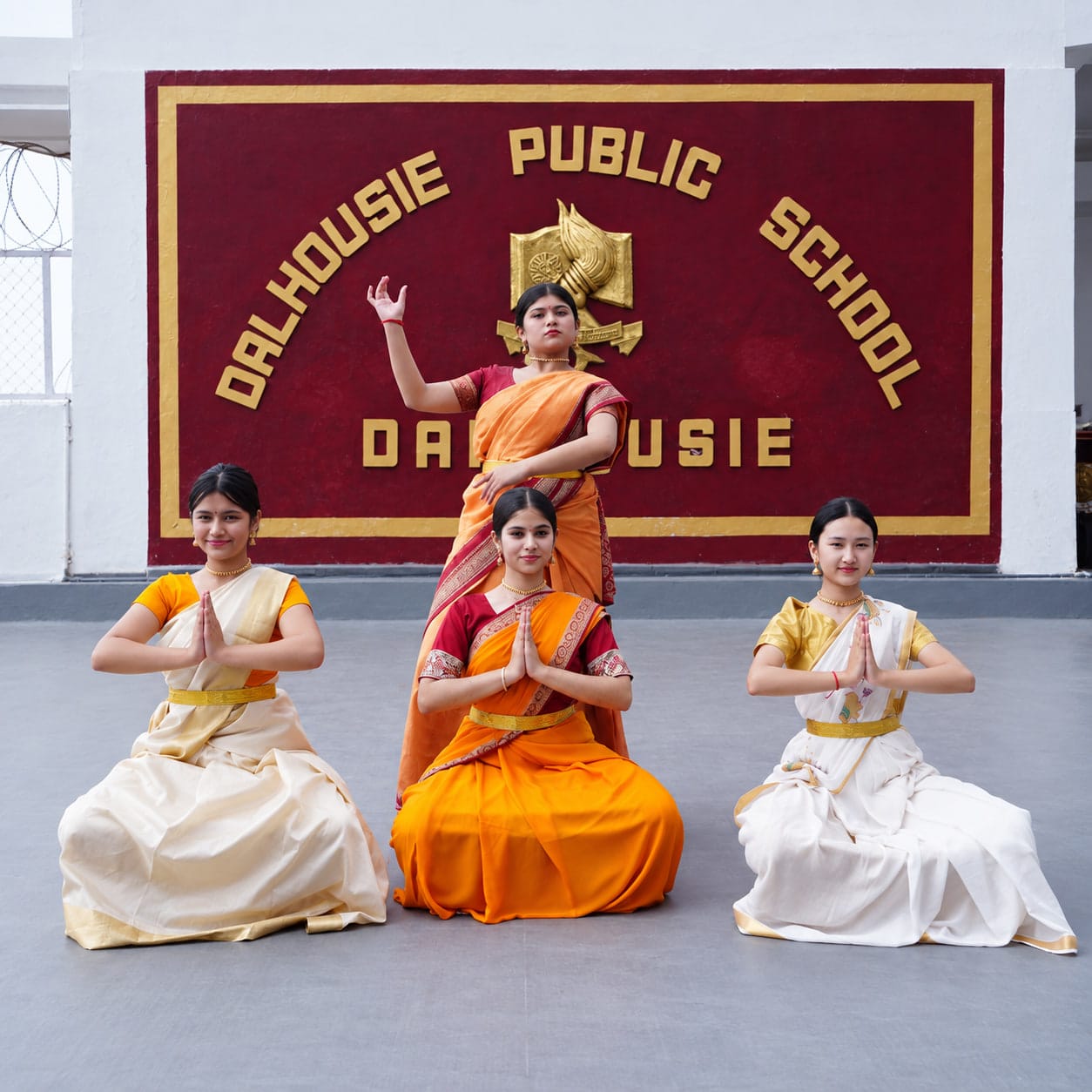
Perform.

Become comfortable being seen.

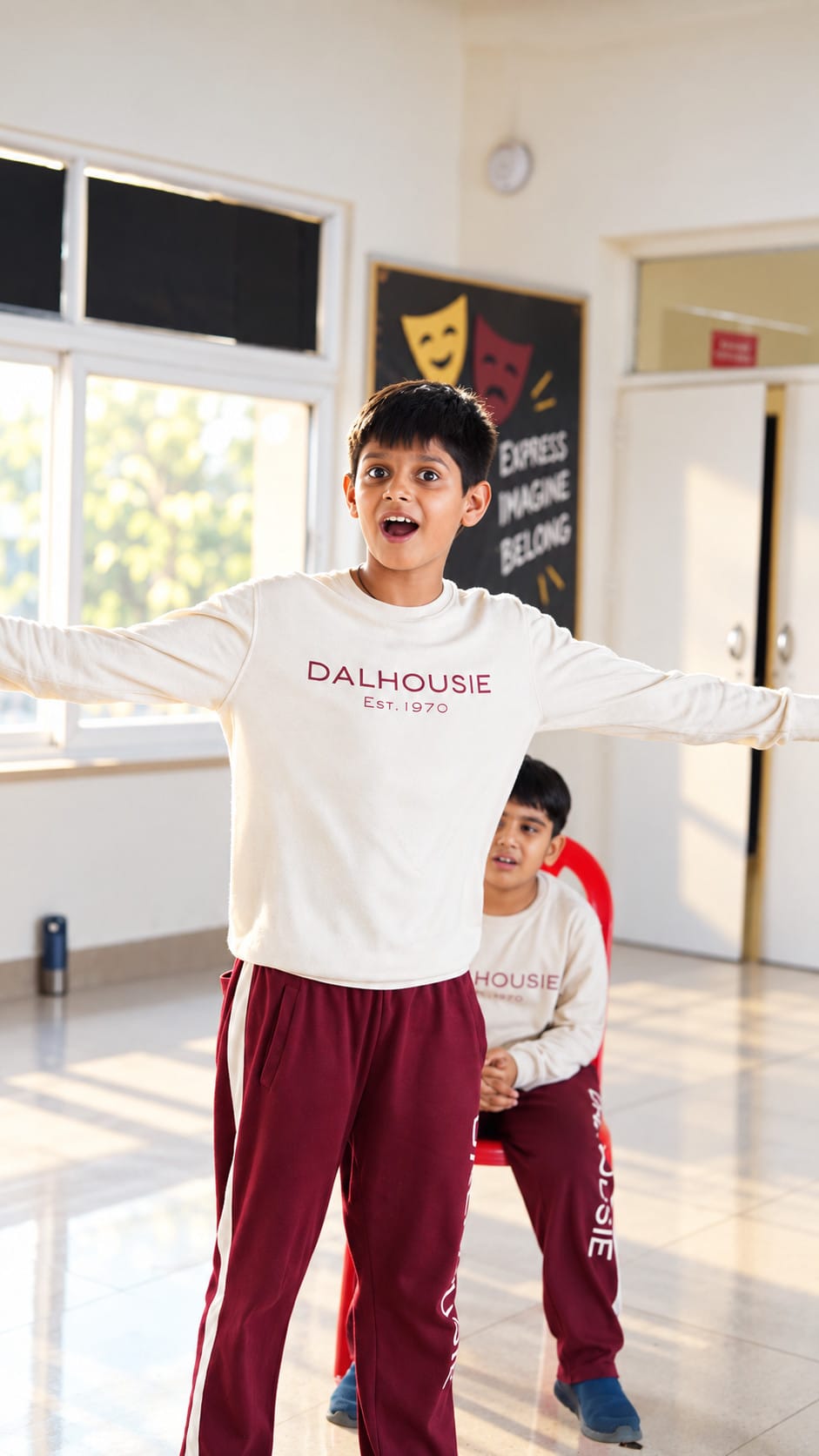
Presence. Memory. Expression. The ability to continue even when nervous.

03 / 05

Persuade.

Learn to build an idea.

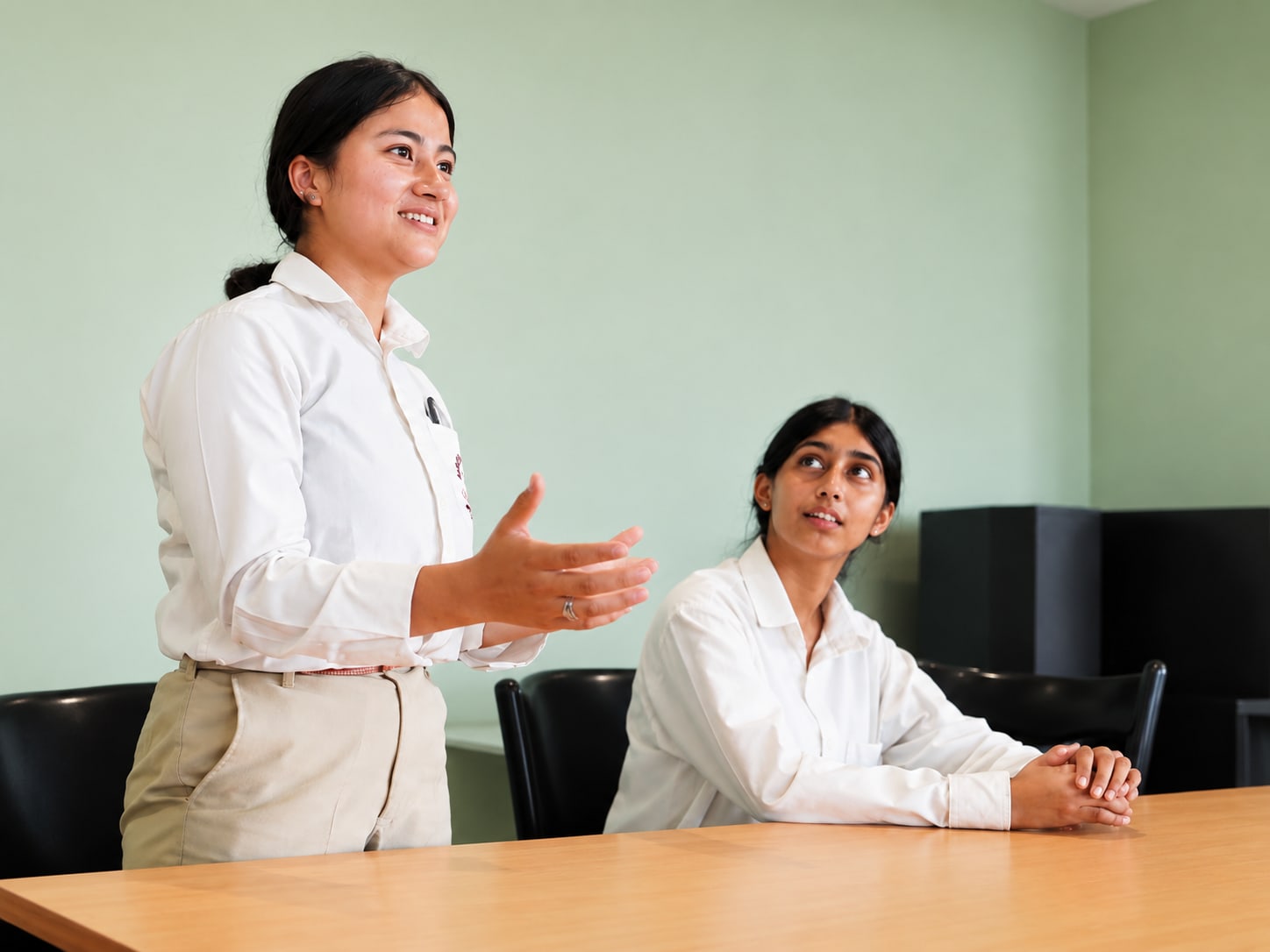
Persuasion requires both confidence and thinking.

04 / 05

Polish.

Articulation, the key.

How you communicate shapes how your ideas are received. Clarity, manners, listening and presentation.

05 / 05

Lead.

Accountability and visibility.

Leadership begins when others depend on you. It is not simply visibility. It is accountability.

Confidence does not always arrive dramatically. Often, it is built through a sequence of manageable moments.

01

One answer in class

A child who avoids speaking may begin here.

02

A small presentation

Then a small presentation.

03

An assembly

Then an assembly.

04

A debate

Then a debate.

05

A leadership responsibility

Then a leadership responsibility.

A voice should have a journey

The Dalhousie Speaking Portfolio

The purpose is not to create another score. It is to make progress easier to see.

Captures
Presentations, performances and debates
Adds
Leadership moments, and teacher and mentor observations
Shows
How communication and public presence develop over time

The next step

A child should not leave school with strong ideas they are afraid to express.